
Medication Safety Statistics: What Patients Need to Know About Errors, Risks, and How to Protect Yourself
 Jan, 13 2026
Every year, more than 1.5 million people in the U.S. are harmed by medication errors. That’s not a rare accident-it’s a routine risk. You might think your doctor or pharmacist has it covered, but the truth is, medication mistakes happen more often than you realize-and many are completely preventable.
Medication Errors Are More Common Than You Think
One in every 20 patients worldwide experiences harm from a medication error. That’s 5% of all people taking prescription drugs. In the U.S. alone, that translates to over 1.3 million people each year being injured by something meant to help them. These aren’t just minor side effects. They include severe allergic reactions, internal bleeding, kidney failure, and even death.
At least 7,000 people die in U.S. hospitals every year because of medication mistakes. That’s more than car accidents or many forms of cancer. And it’s not just hospitals. About 2% to 33% of medication errors happen at home-where you’re supposed to be safest. People forget doses, mix up pills, take expired meds, or double up because they’re unsure what they’re supposed to be taking.
Which Drugs Are Most Dangerous?
Not all medications carry the same risk. Some are far more likely to cause harm if used incorrectly. According to global data, antibiotics are the top offender, responsible for about 20% of all medication-related injuries. Why? Because they’re overprescribed, taken incorrectly, or used for viral infections where they do nothing.
After antibiotics, the most dangerous classes are:
- Antipsychotics (19%)-especially when given to elderly patients with dementia
- Central nervous system drugs (16%)-like sedatives and anti-anxiety pills
- Cardiovascular drugs (15%)-blood thinners, beta blockers, and heart medications
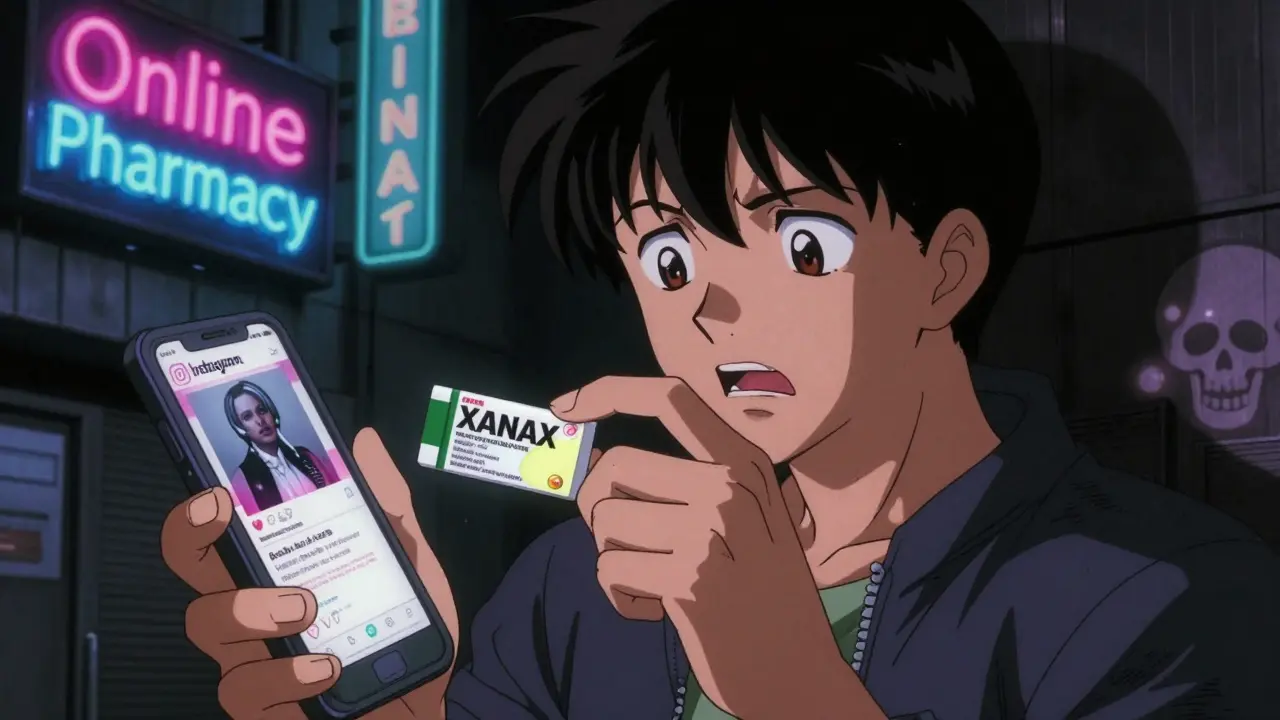
And then there’s the silent killer: fentanyl-laced counterfeit pills. In 2023, the DEA seized over 80 million of these fake painkillers. Most are sold online or through social media, disguised as oxycodone or Xanax. They’re often deadly-even one pill can kill someone who’s never used opioids before. Fentanyl is now the leading cause of death for Americans between 18 and 45.
Who’s Most at Risk?
Older adults are especially vulnerable. Nearly 1 in 3 seniors take five or more medications daily. That’s called polypharmacy-and it’s a recipe for disaster. Mixing drugs without proper oversight can lead to dangerous interactions. In Australia, efforts to cut down on antipsychotic use in seniors reduced inappropriate prescriptions by 11% between 2016 and 2021. That’s progress, but it’s still happening too often.
Young adults aren’t safe either. Nearly 9 million people in the U.S. misused prescription painkillers in 2021. Another 4 million misused stimulants like Adderall. Many think it’s harmless-until they overdose. And the rise of online pharmacies makes it easier than ever to get unregulated drugs without a prescription.
Where Do Mistakes Happen?
Medication errors don’t just happen because someone’s careless. They’re usually caused by broken systems.
In hospitals, IV medications have the highest error rate-between 48% and 53%. Why? Because they’re powerful, fast-acting, and require precise dosing. A single decimal point mistake can turn a safe dose into a lethal one. Infusion pumps, meant to prevent these errors, are themselves faulty. Between January 2023 and August 2024, over 200,000 pump-related incidents were reported to the FDA, including 204 deaths.
At pharmacies, mislabeling and similar-looking drug names cause mix-ups. At home, patients forget instructions or assume a new pill is the same as an old one. A Reddit analysis of 1,247 medication-related posts found that 68% of people were confused about their dosage. Only 22% said their doctor clearly explained possible side effects.
What’s Being Done About It?
There’s real progress-just not enough.
Australia has cut opioid-related deaths by 37% since 2018 using real-time prescription monitoring. That means doctors can see if a patient is getting the same drug from multiple sources. They’ve also reduced hospitalizations from insulin errors by 10% and cut antipsychotic use in seniors.
The U.S. is pushing back too. The Centers for Medicare & Medicaid Services (CMS) now tracks 16 medication safety metrics in 2025, including how well patients take their cholesterol, blood pressure, and diabetes drugs. The FDA’s REMS program requires extra safety steps for high-risk drugs like blood thinners and opioids.
But the biggest threat isn’t poor prescribing-it’s fake medicine. One in three counterfeit drug seizures in the world happens in North America. These pills often contain fentanyl, rat poison, or industrial chemicals. And they’re sold on Instagram, TikTok, and shady websites that look real.
How to Protect Yourself
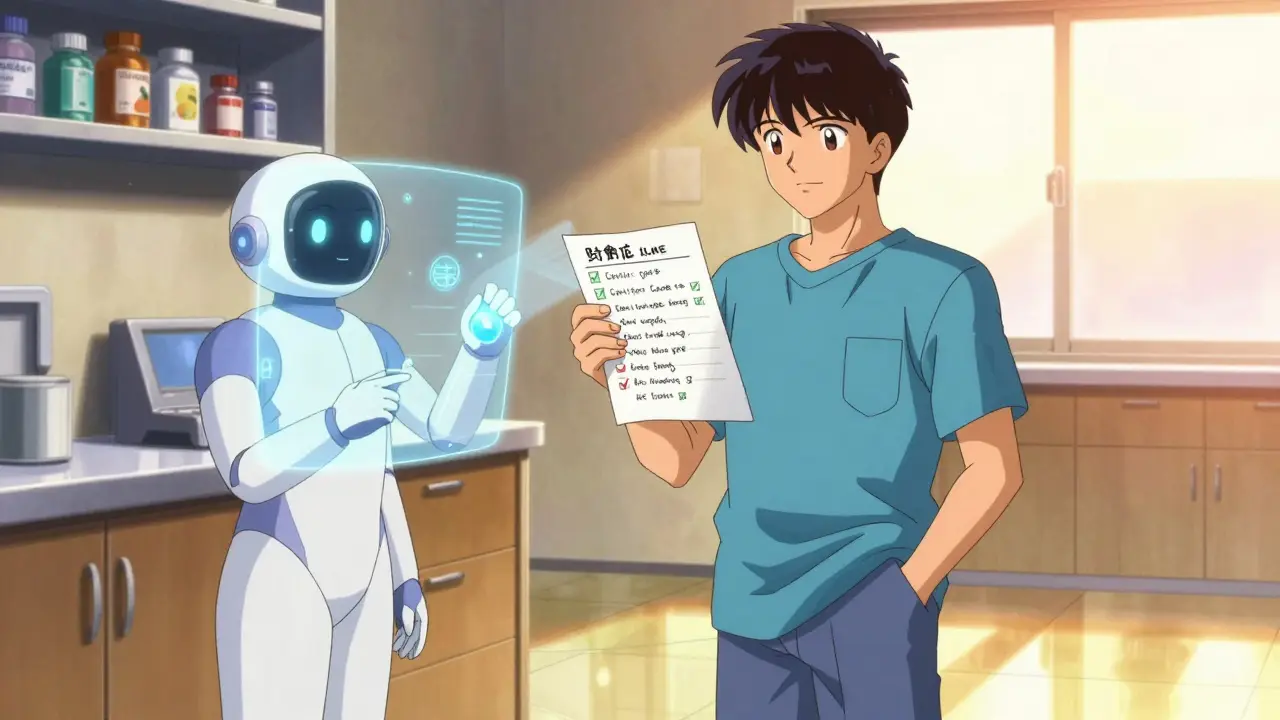
You can’t control everything-but you can control these five things:
- Keep a living medication list. Write down every pill, patch, injection, and supplement you take-including doses and why you take them. Update it every time your doctor changes something. Bring it to every appointment.
- Use one pharmacy. If you use multiple pharmacies, no one sees the full picture. One pharmacy can flag dangerous interactions.
- Ask three questions before taking any new drug: What is this for? How and when do I take it? What are the side effects-and what should I do if they happen?
- Check your pills. If your new prescription looks different than last time, ask. Colors, shapes, and markings matter. A change doesn’t always mean a mistake-but it’s worth checking.
- Never take someone else’s medicine. Even if it’s the same drug, your dose, allergies, or other medications make it unsafe.
The Australian Commission on Safety and Quality in Health Care calls this the “5 Moments for Medication Safety”: when you start treatment, when you add a new drug, when you move between care settings (like hospital to home), when you’re on high-risk meds, and when you review everything regularly. Use it as your checklist.
What’s Next?
Artificial intelligence could cut medication errors by up to 30% by 2027. Imagine an app that scans your pills, checks them against your medical history, and alerts you if something’s wrong. Some hospitals are already testing this.
But technology won’t fix everything. The real solution is better communication-between doctors, pharmacists, and patients. And that starts with you asking questions, speaking up when something feels off, and refusing to stay silent.
Medication safety isn’t just a hospital policy. It’s your right. You deserve to take your medicine without fear. The system isn’t perfect-but you have more power than you think.
How common are medication errors?
Medication errors affect about 5% of patients worldwide-that’s 1 in every 20 people taking prescription drugs. In the U.S., more than 1.3 million people are harmed each year, and at least 7,000 die in hospitals alone from preventable mistakes.
What drugs cause the most harm?
Antibiotics cause the highest number of medication-related injuries (20%), followed by antipsychotics (19%), central nervous system drugs (16%), and cardiovascular medications (15%). Fentanyl-laced counterfeit pills are now the deadliest threat, especially to younger adults.
Are older adults more at risk?
Yes. Seniors often take five or more medications daily, increasing the risk of dangerous interactions. Antipsychotics, in particular, are frequently misused in dementia patients, leading to falls, confusion, and even death. Australia’s efforts to reduce these prescriptions show that change is possible.
Can I trust online pharmacies?
No-not unless they’re verified. The DEA estimates that 1 in 3 counterfeit drug seizures happen in North America. Many online sellers offer fake pills laced with fentanyl, rat poison, or other deadly substances. Always buy from licensed pharmacies with a physical address and a valid license you can verify.
What should I do if I think I got the wrong medicine?
Don’t take it. Call your pharmacist immediately and ask: Is this the same medication I’ve taken before? Why does it look different? If you’re unsure, bring the pill to your doctor or pharmacy for verification. Never guess-mistakes can be fatal.
Is medication safety getting better?
Some areas are improving. Australia cut opioid deaths by 37% since 2018 using real-time monitoring. Hospitals are starting to use AI tools to catch errors. But counterfeit drugs and opioid misuse are getting worse. Progress is real-but it’s uneven, and it requires constant vigilance from patients.
Lance Nickie
January 14, 2026 AT 15:04medication errors? more like medicare errors lol
Acacia Hendrix
January 16, 2026 AT 11:23The systemic failures in pharmacovigilance infrastructure are frankly catastrophic-especially when considering the absence of standardized interoperability between EHRs and pharmacy dispensing systems. The 5% global error rate isn’t just a statistic; it’s a manifestation of institutionalized negligence in clinical decision support architecture. We’re optimizing for throughput, not safety-and the morbidity metrics reflect that.
Antibiotic stewardship programs remain underfunded, while AI-driven CDSS tools are sidelined due to legacy IT constraints. The DEA’s 80M counterfeit pill seizures? A symptom of deregulated digital pharmaceutical marketplaces. We need blockchain-verified supply chains, not band-aid solutions.
And let’s not romanticize ‘one pharmacy’ as a panacea. In rural America, pharmacy deserts exist. The real intervention is mandatory pharmacogenomic screening at point-of-prescription. Until then, we’re just rearranging deck chairs on the Titanic.
Milla Masliy
January 17, 2026 AT 07:50I’ve seen this first-hand with my grandma-she was on eight meds, and the pharmacy mixed up her blood pressure pill with her thyroid one. She ended up in the ER. After that, we started keeping a color-coded list on the fridge. Now she brings it to every appointment. It’s simple, but it works.
Also, never trust a pill that looks different unless you ask. I once thought my new antidepressant was just a different brand-turns out it was a completely wrong drug. Thank god I called the pharmacist.
Avneet Singh
January 18, 2026 AT 02:14Let’s be honest: the entire pharmacopeia is a corporate theater. The 20% antibiotic error rate? That’s not incompetence-it’s profit-driven overprescription. Pharma incentivizes volume, not outcomes. The ‘5 Moments’ checklist? Cute. But it’s just another performative safety ritual while the real actors-Big Pharma, PBM middlemen, and hospital administrators-keep cashing checks.
And AI? Don’t make me laugh. Algorithms trained on biased datasets will just automate discrimination. If your AI doesn’t know your cultural context, your race, your income level-it’s not helping. It’s surveilling.
jefferson fernandes
January 19, 2026 AT 06:30STOP. RIGHT. NOW. If you’re taking more than five meds, you’re already in danger zone!!!
One pharmacy? YES!!!
Ask the three questions? NON-NEGOTIABLE!!!
Check your pills? EVERY. SINGLE. TIME!!!
And if you think online pharmacies are safe? You’re one fentanyl pill away from a funeral!!!
THIS ISN’T A DRILL. YOUR LIFE DEPENDS ON THIS!!!
James Castner
January 21, 2026 AT 02:59The fundamental epistemological crisis in modern pharmacology lies in the ontological dislocation between the patient as a subject of care and the patient as a data point in a commodified healthcare economy. The medication error epidemic is not merely a technical failure-it is the inevitable consequence of a medical-industrial complex that has abandoned the Hippocratic ethos in favor of efficiency metrics and shareholder value.
While AI may offer algorithmic mitigation, it cannot resolve the moral vacuum at the heart of the system. The real solution requires a radical recentering of agency: the patient must be restored as the primary epistemic authority in their own therapeutic journey. This is not about checking boxes or downloading apps-it is about reclaiming autonomy in the face of institutional alienation.
The ‘5 Moments’ framework is a start, but it remains tethered to the very architecture that produced the problem. We need a phenomenological shift-from compliance to consciousness, from passive ingestion to active co-creation of safety. Until then, we are merely polishing the cage while the lion still prowls.
vishnu priyanka
January 22, 2026 AT 06:59man, i saw a guy on tiktok selling ‘adderall’ that looked like little rainbow dots. he said it was ‘study fuel’. i almost bought it. then i remembered my cousin died from a fake oxycodone last year.
we need better education, not just more apps. my abba in india still thinks if a pill is white and round, it’s the same no matter the name. no one teaches this stuff. not in school, not at the clinic.
just ask. always ask. even if you feel dumb. better dumb and alive than smart and dead.
Adam Rivera
January 23, 2026 AT 17:58Just wanted to say thanks for writing this. My mom’s a nurse, and she’s been yelling about this stuff for years. She says the scariest part isn’t the hospital mistakes-it’s the people taking pills they don’t understand because they’re too scared to ask. We need more posts like this. Keep it real.
lucy cooke
January 24, 2026 AT 18:03Oh, the horror. The sheer, unrelenting horror of a world where your medicine might kill you. And no one cares. Not really. Not until it’s your mother. Not until your brother’s face turns blue because he thought a pill labeled ‘Xanax’ was safe. And then-oh then-the headlines. The tears. The ‘I didn’t know.’
But you knew. You read this. And you still scroll. And you still don’t call your pharmacist.
That’s the real tragedy. Not the fentanyl. Not the pumps. Not the mislabeled vials.
It’s our collective silence.
Adam Vella
January 25, 2026 AT 19:24It is imperative to recognize that the proliferation of medication errors constitutes a systemic pathology rooted in the fragmentation of care delivery, compounded by insufficient patient health literacy and the absence of mandatory pharmacogenomic profiling. The current regulatory framework, while nominally robust, suffers from critical enforcement deficiencies, particularly in the domain of digital pharmaceutical commerce. The FDA’s REMS program, though commendable in intent, remains reactive rather than proactive. A paradigm shift toward preemptive, AI-augmented, patient-centric pharmacovigilance is not merely advisable-it is an ethical imperative. The onus, however, remains on the individual to cultivate epistemic vigilance; autonomy in medication management is not a privilege, but a responsibility that must be actively exercised.